1 October 2026
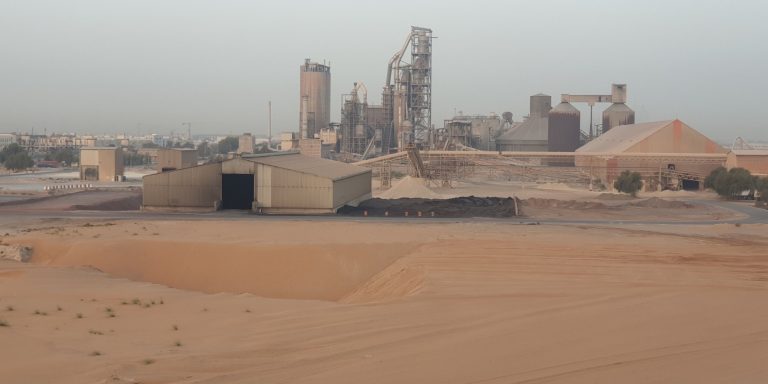
Abu Dhabi’s Department of Municipalities and Transport (DMT) has launched the Musaffah Innovation District, a long-term plan to turn one of the capital’s largest industrial services districts into a destination for industrial investment. The announcement was made at LIVEX 2026 and published by the Abu Dhabi Media Office on 1 October 2026. The first phase, running to 2030, focuses on pilot sites in northern Musaffah and along the Northern Waterfront and includes an initial release of approximately 100 hectares of development-ready land. From 2030 to 2035, more than 100 hectares of large development blocks are to follow for advanced industries. Investors can enter through Musataha agreements, long-term leasehold, public-private partnerships and strategic development partnerships. At full implementation, DMT expects the programme to generate an annual GDP contribution of AED 227 billion and support approximately 269,800 jobs.
What DMT announced at LIVEX 2026
The district will be delivered through the Musaffah Revitalization and Development Plan (MRDP), DMT’s long-term programme for coordinated improvements across zoning and land use, infrastructure, mobility, municipal services, public spaces and the wider business environment. DMT describes the MRDP as one of Abu Dhabi’s largest long-term investment programmes and positions it as a long-term roadmap for investors.
The investment opportunities named in the announcement cover advanced manufacturing, logistics and supply chain infrastructure, industrial services, commercial and mixed-use developments, waterfront destinations, residential communities, innovation and technology, green industries and municipal infrastructure. According to DMT, both phases together offer local and international developers a sequenced pipeline of investment-ready sites, backed by committed public infrastructure and a dedicated governance and investor-facilitation framework.
| Indicator | Figure |
|---|---|
| Phase one | to 2030, initial release of about 100 hectares of development-ready land |
| Phase one locations | pilot sites in northern Musaffah and along the Northern Waterfront |
| Phase one infrastructure | 8th Street and E30 corridor projects |
| Phase two | 2030 to 2035, large development blocks totalling more than 100 hectares |
| Investment models | Musataha, long-term leasehold, public-private partnerships, strategic development partnerships |
| Expected annual GDP contribution | AED 227 billion at full implementation |
| Expected GDP increase | 12.3% |
| Jobs supported | about 269,800, of which 26% high-skilled |
Phase one to 2030: about 100 hectares and two road corridors
The first phase builds the enabling infrastructure for the district, including the 8th Street and E30 corridor projects. When DMT announced the start of a comprehensive redevelopment study for Musaffah in February 2026, it named the Musaffah to Al Ain Road (E30) and Street 8 as key corridors to be improved for traffic flow and commercial goods movement.
Development in this phase is concentrated on pilot sites in northern Musaffah and along the Northern Waterfront. The plan includes new mixed-use and residential development, a new district centre and the upgrading of the established automotive cluster, supported by the initial release of about 100 hectares of land. DMT says the priority subsectors for phase one respond to proven near-term demand:
- mixed light industrial activities: automotive services, carpentry and woodwork, food production, retail and wholesale trade;
- city-serving logistics: warehousing, cold storage and last-mile distribution;
- green construction industries: building materials and modular and prefabricated components for Abu Dhabi’s development pipeline.
Phase two, 2030 to 2035: more than 100 hectares for advanced industries
The second phase scales up through a series of large catalytic development blocks, totalling more than 100 hectares, released across the district’s investment zones to anchor new industrial clusters. The prioritised subsectors are broader and more technology-heavy:
- advanced manufacturing, including semiconductors, electric vehicle and aerospace supply chains and robotics;
- energy transition industries: hydrogen, sustainable fuels, solar and energy storage;
- technology and life sciences, including MedTech and data centres;
- green innovation and investment, maritime and blue economy industries, and city-serving logistics;
- new mixed-use centres and housing to support the clusters.
How investors can enter: four models
The MRDP offers several potential investment models, open to local, regional and international investors at every stage of delivery. A Musataha agreement gives the holder the right to build on land owned by another party and to use the buildings for the agreed term, which suits companies that want their own facility on government land. A long-term leasehold gives the right to use a plot for a fixed long period. Public-private partnerships and strategic development partnerships are aimed at infrastructure and larger blocks, where the private partner designs, finances or develops assets together with the government.
The announcement does not publish land prices, lease or Musataha terms, plot sizes, the application procedure or the dates when individual sites will be offered. Until DMT releases these details, the models show the direction of the programme rather than an open tender.
The economic case: AED 227 billion and 269,800 jobs
At full implementation, DMT expects the MRDP to increase GDP by 12.3%, generate an annual GDP contribution of AED 227 billion and support approximately 269,800 jobs, with 26% of them expected to be high-skilled. The release does not specify the baseline for the 12.3% figure or the year by which the full effect is expected.
DMT Chairman Mohamed Ali Al Shorafa said Musaffah has been central to Abu Dhabi’s economic development for decades and that the district is meant to create an environment where industry can grow and investment can thrive. Abdulla Mohamed Alblooshi, Director General of the Urban Planning and Permits Centre at DMT, said the work of the past two years, including engagement with businesses and stakeholders, focused on infrastructure, mobility, environmental performance, industrial clustering, land use and investment.
The district was one of the main investment announcements of the first LIVEX, which closed on 1 October 2026 at ADNEC Centre Abu Dhabi. According to Gulf News, the exhibition drew 26,500 visitors from 50 countries, and government bodies, investors and developers announced more than 50 agreements and initiatives worth over AED 150 billion. Our coverage of the opening of LIVEX 2026 and of DMT’s portal for investment in government land and buildings gives the wider picture.
What changes for companies, and what does not yet
The launch does not change licensing rules, fees or visa procedures. It sets out where and in which sectors Abu Dhabi plans to release industrial land, and through which contract models. For businesses, the practical value is in planning: a workshop, a cold store or a prefabrication plant in Abu Dhabi can now be planned against a published list of priority subsectors and a phased timeline. A company that wants to bid for a site will still need a UAE entity whose licensed activities match the operation, staff visas and a bank account in place.
Checklist for companies considering Musaffah:
- Compare your activity with the phase one subsectors: light industry and automotive services, city logistics, green construction materials.
- Choose the entry model: Musataha or leasehold for your own facility, a partnership for infrastructure or a large block.
- Check that the licensed activities of your UAE company cover the planned operation before you apply for a site.
- Plan headcount and work permits early: industrial and logistics operations need staff visas before the facility opens.
- Follow DMT announcements for the investor-facilitation framework, site lists and terms, which are not yet published.
How Atlant Capital can help
We help founders who are moving production, trading or logistics businesses to the UAE. Our company setup service covers the choice between the Abu Dhabi mainland and free zones, the selection of licensed activities and registration, so that the company is ready when site terms are published. The steps and documents are described in our UAE company formation guide. Through our work visa and residency service we arrange investor and employee visas for the team that will run the facility.
Conclusion
Abu Dhabi has given Musaffah a dated plan: about 100 hectares of development-ready land in phase one to 2030, more than 100 hectares of large blocks for advanced industries in 2030 to 2035, four investment models and an expected AED 227 billion annual GDP contribution with about 269,800 jobs. Prices, terms and site lists are the next details to watch. Companies in light industry, logistics and construction materials can prepare their structure and licences now.
Source: Abu Dhabi Media Office, Gulf News.
FAQ
What is the Musaffah Innovation District?
The Musaffah Innovation District is a long-term plan by Abu Dhabi’s Department of Municipalities and Transport to turn the Musaffah industrial area into a destination for industrial investment and innovation. It was launched at LIVEX 2026 and announced on 1 October 2026. It is delivered through the Musaffah Revitalization and Development Plan, which covers zoning, infrastructure, mobility, municipal services and public spaces.
How much land will be available in Musaffah and when?
The first phase, running to 2030, includes an initial release of about 100 hectares of development-ready land, with development concentrated on pilot sites in northern Musaffah and along the Northern Waterfront. In the second phase, from 2030 to 2035, large development blocks totalling more than 100 hectares will be released across the district’s investment zones. Site lists and terms have not yet been published.
How can investors get land in the Musaffah Innovation District?
DMT names four potential investment models: Musataha agreements, long-term leasehold arrangements, public-private partnerships and strategic development partnerships. They are open to local, regional and international investors. Prices, contract terms and the application procedure have not been announced yet.
What economic impact is expected from the Musaffah plan?
At full implementation, DMT expects the Musaffah Revitalization and Development Plan to generate an annual GDP contribution of AED 227 billion, increase GDP by 12.3% and support approximately 269,800 jobs. About 26% of these jobs are expected to be high-skilled.