04 July 2026
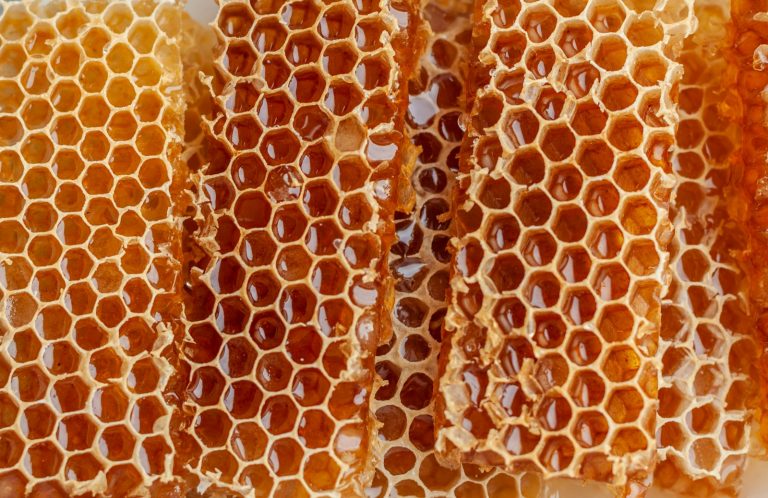
DMCC has signed a strategic partnership with Naturalim France Miel to support the development of the DMCC Honey Centre and strengthen Dubai’s position as a regional hub for honey trade, innovation and exports.
The announcement is not only about honey. It is also a clear example of how Dubai is building specialised commodity ecosystems around trade, testing, quality assurance, packaging, traceability and international market access.
For entrepreneurs planning to open a food trading, import/export or commodity trading company in the UAE, this is an important signal. Dubai is no longer only a place to register a company and trade goods. It is becoming a platform where specialised industries can access infrastructure, partners, logistics, compliance support and global markets.
Why the DMCC Honey Centre matters
The DMCC Honey Centre is being developed as a specialised ecosystem for honey producers, traders and exporters. Through the partnership with Naturalim France Miel, DMCC will explore areas such as honey testing, quality assurance, traceability standards, packaging operations and export opportunities for Emirati honey.
This approach reflects a wider trend in Dubai. Commodity trade is becoming more structured and more specialised. Businesses are expected to show not only that they can buy and sell products, but also that they understand quality standards, documentation, sourcing, packaging, logistics and regulatory requirements.
For food trading companies, this can be especially important. Products such as honey, coffee, tea, cacao, spices, dry food, FMCG and agricultural products may involve additional documentation, product standards, customs procedures, labelling requirements or food safety considerations.
DMCC as a jurisdiction for commodity trading
DMCC is one of Dubai’s most recognised free zones for commodity-related businesses. It has developed specialised ecosystems in areas such as gold, diamonds, coffee, tea, cacao, energy, agriculture and other trade sectors.
For a trading company, DMCC can be attractive because it combines company formation, a strong business address, access to a large international business community and proximity to Dubai’s logistics and commercial infrastructure.
However, DMCC is not automatically the right choice for every business. The best setup depends on the product, target market, warehouse needs, import/export model, banking profile, visa requirements, office requirements and whether the company will trade inside the UAE, internationally or both.
Food trading company setup: what founders should check first
Before opening a food trading or commodity trading company in Dubai, founders should map the business model properly. The key questions are:
- Will the company trade only internationally or also within the UAE market?
- Will the company import goods into the UAE or only arrange cross-border transactions?
- Will the company need warehousing, packaging or re-export facilities?
- Will the products require registration, labelling review, testing or food safety compliance?
- Will the business sell B2B only or also to consumers?
- Which banks are suitable for the company’s expected trade flows and counterparties?
- Does the licence activity match the real product category and trading model?
These questions are important because a trading company can face delays if the licence activity is too broad, too narrow or not aligned with the actual business. Banks may also ask for contracts, supplier details, invoices, shipping documents and explanation of the trade route.
Free zone or mainland for food and commodity trading?
Many entrepreneurs first ask whether they should open a company in a free zone or on the mainland. There is no universal answer – a detailed comparison is available in our guide Mainland vs Free Zone in the UAE.
A free zone structure may be suitable for international trading, re-export, holding, regional management, B2B activities and businesses that want a strong jurisdictional profile. DMCC can be particularly relevant for commodity-related companies that want to be part of a specialised business ecosystem.
A mainland company may be more practical if the business plans to trade directly across the UAE local market, work with local retailers, operate physical outlets, conduct wider commercial activity or require specific local approvals.
In some cases, entrepreneurs may also need a mixed structure: a free zone company for international trade and a mainland presence or local distribution arrangement for UAE market access. The right answer depends on the commercial model, not only on the licence cost.
Compliance is becoming part of the product
The DMCC Honey Centre initiative highlights a broader point: in food and commodity trade, compliance is becoming part of the value chain. Buyers, banks, regulators and partners increasingly care about product origin, quality, traceability, documentation and proper corporate structure.
For honey and similar products, this may include quality testing, certificates, labelling, origin documents, supplier verification, packaging standards and export documentation. For other commodities, the requirements may differ, but the logic is the same: the company must be able to prove that its trade is real, documented and compliant.
This is also relevant for banking. Trading companies often face more detailed bank compliance checks because of cross-border payments, multiple suppliers, international customers and product movement. A well-prepared corporate bank account setup can make the process more realistic and reduce avoidable delays.
How Atlant Capital can help
Atlant Capital helps entrepreneurs and investors structure UAE companies based on the real business model. For food trading, import/export and commodity businesses, this may include jurisdiction comparison, licence activity selection, free zone or mainland setup, coordination with relevant authorities, visa planning, corporate bank account preparation and post-incorporation compliance support.
Atlant Capital can also help founders understand whether DMCC, another UAE free zone or mainland Dubai is more suitable for the specific product, market and trading model.
Conclusion
DMCC’s development of the Honey Centre is a strong example of Dubai’s strategy: building specialised ecosystems around global trade. For business owners, this creates opportunities, but also requires a more professional approach to company setup, licensing, documentation and compliance.
If you are planning to open a food trading, import/export or commodity trading company in Dubai, the first step is to define the activity, product flow, target market and compliance requirements. After that, the right jurisdiction and licence structure can be selected properly.