9 July 2026
DP World is adding 700 new trucks to its Gulf road-freight fleet, a move that can lift its network by up to 35,000 truck trips a month across the GCC. It is a clear signal that the UAE is finishing the build-out of an integrated logistics hub, where sea, road and warehousing connect into one chain. For companies that trade or re-export through the Emirates, the growth of GCC land corridors changes how goods reach customers in Saudi Arabia, Oman, Kuwait, Bahrain and Qatar. This guide explains what was announced and how to position a UAE trading company to use it.
What DP World announced
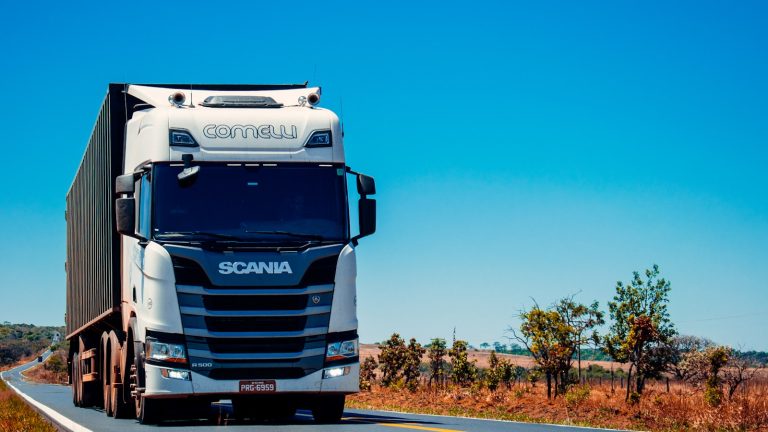
On 9 July 2026 DP World confirmed the purchase of 700 new trucks to expand its multimodal ground-transport network in the Gulf. The fleet supports first, middle and last-mile movements and handles both containerised and non-containerised cargo across GCC ports, warehouses and bonded corridors. The addition can generate up to 35,000 extra truck trips per month, on top of roughly 3,000 truck movements a day the network already runs in the region.
Ahmad Yousef Al-Hassan, CEO and Managing Director of DP World GCC, framed it as a durable commitment: “This is a long-term investment in our multimodal network and the customers that trade in the GCC.” The new trucks are fuel-efficient and meet the Euro V emissions standard, with the operator signalling it will explore green-energy vehicles over time.
Why road freight is growing in the Gulf
Land transport has taken on a bigger role as shippers manage maritime disruption around the Strait of Hormuz. DP World has already routed more than 350,000 twenty-foot equivalent units (TEUs) overland in response, using road corridors to keep cargo moving when sea lanes are under pressure. Investing in a larger, cleaner truck fleet turns that stopgap into permanent capacity, giving traders a reliable overland option alongside shipping and air.
For a business, the takeaway is practical: routes into the wider Gulf are becoming denser and more dependable. A company based in the UAE can serve the whole GCC market by road, not only the local Emirates market, which strengthens the case for using the UAE as a regional trading and re-export base.
What it means for trade and re-export through the UAE
The Emirates has long positioned itself as the re-export gateway between Asia, Africa and Europe. Deeper land connectivity across the GCC reinforces that role. Goods can arrive by sea into Jebel Ali or another UAE port, clear customs, be stored or lightly processed in a free zone, and then move by road to buyers across the Gulf. That is the classic re-export model, and stronger road capacity makes it faster and more resilient.
If your plan is to import, hold stock and distribute regionally, the UAE offers the licences, the bonded storage and now the freight network to do it at scale. Our guide on Hormuz, trade and re-export through the UAE covers the routing logic in more detail.
The business-setup angle
To trade physical goods through the UAE you need the right structure. In practice that means a trading licence, the correct activity codes for import, export and re-export, and, where volumes justify it, access to bonded (customs-suspended) storage inside a free zone. Key building blocks:
- Trading licence: a free zone or mainland licence that lists the goods you will import, export and re-export.
- Customs registration: an importer/exporter code with the relevant customs authority, so shipments clear in your company name.
- Bonded storage: free zone warehousing where duty is suspended until goods enter the local market, ideal for re-export.
- Banking and payments: a corporate account that can handle trade flows, letters of credit and multi-currency settlement.
Which structure fits depends on who your buyers are. Selling mainly to other GCC countries suits a free zone re-export setup; selling inside the UAE mainland market may call for a mainland licence or a distribution arrangement. See our import-export company setup guide for how customs and logistics fit together.
Points to check before you build a UAE trade operation
- Confirm your product needs no special permits or third-party approvals (food, cosmetics, electronics and controlled goods often do).
- Match your licence activities to actual import, export and re-export flows, not a generic “general trading” line only.
- Decide free zone versus mainland based on where your buyers sit and whether you sell inside the UAE.
- Plan customs registration and, if you re-export, bonded storage from day one.
- Budget for logistics: road freight, warehousing and last-mile costs across the GCC.
- Open a corporate bank account early, as trade companies face closer compliance review.
How Atlant Capital can help
Atlant Capital sets up UAE trading and re-export companies end to end. We select the free zone or mainland licence that matches your goods and buyers, register the correct activities and customs codes, arrange bonded storage where it makes sense, and support corporate bank account opening and residence visas for owners and staff. If your business depends on moving goods across the Gulf, we structure it so the growing GCC road network works in your favour. Explore our company setup services to start.
The takeaway
DP World’s 700-truck expansion is a small headline with a big message: the UAE is wiring the Gulf together by land as well as by sea. For anyone weighing where to base a regional trading or re-export business, that integrated logistics hub is a strong reason to choose the Emirates, provided the company is structured correctly from the start.