Published: 2026-06-21
Dubai rarely does anything small, but even by its own standards the latest announcement stands out. Emaar Properties has unveiled Dubai Estate, an AED 200 billion (around USD 55 billion) master-planned community designed as a self-sustaining city within the city, home to roughly 150,000 residents. It is one of the largest single-developer projects Dubai has ever seen, and for investors and business owners it is worth reading not as a property headline but as a statement of long-term confidence in the emirate.
What Emaar unveiled
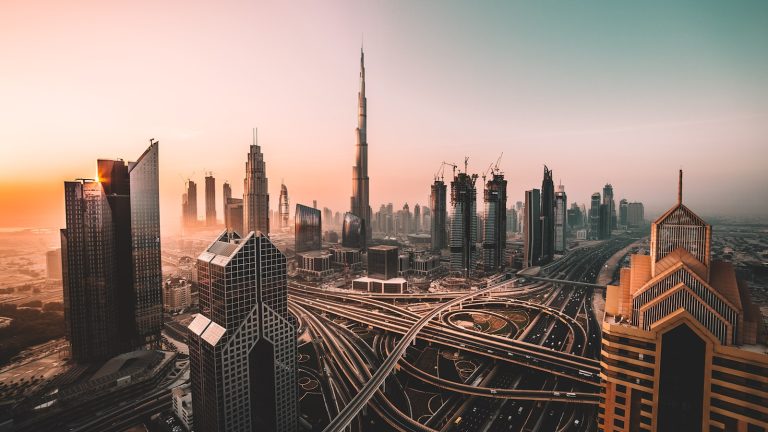
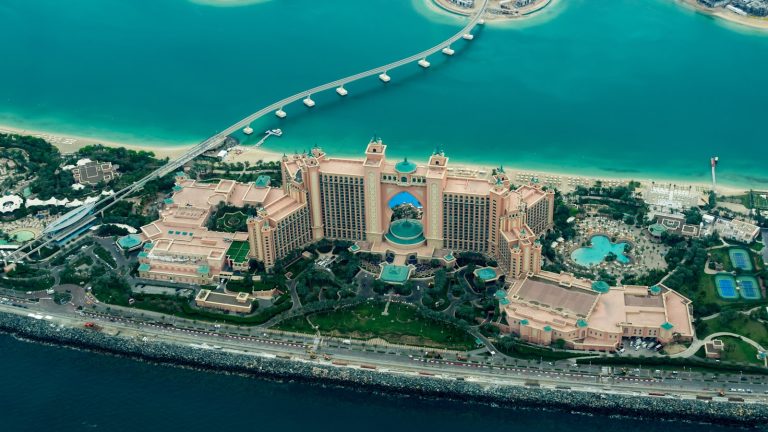
Dubai Estate is planned for the heart of Dubai, a central location that takes in views of Burj Khalifa, Burj Al Arab, and Palm Jumeirah. The masterplan is set to deliver a gross floor area exceeding 4.5 million square metres, with the capacity to house nearly 150,000 residents across five integrated districts. Emaar has framed it as a fully self-sustaining urban district rather than a single tower or cluster, with the detailed site map to follow.
A city within a city
The self-sustaining concept is the part that matters most. Rather than a residential development that depends on the rest of the city for offices, retail, schools, and leisure, Dubai Estate is designed to hold those functions inside its own five districts. For a market that has spent a decade building integrated communities, this is the concept taken to its largest scale yet: live, work, and invest within one planned district. That mix of residential, commercial, and lifestyle space is exactly what tends to hold value over a full market cycle.
What it signals for investors
A project of this size does not get committed in a weak market. When the UAE’s largest developer allocates AED 200 billion to a decade-long build, it is a signal of confidence in sustained demand, population growth, and capital inflows. For investors, three things follow. First, early-cycle off-plan opportunities in a landmark masterplan tend to attract long-term interest. Second, a self-contained district creates commercial and retail space, not just apartments, which opens doors for business tenants and operators. Third, large integrated communities in prime locations have historically anchored price stability, which lowers the risk for a foreign buyer entering the market.
The business-setup angle
Landmark districts are not only about buying a home. They create demand for the businesses that serve them, retail, hospitality, professional services, facilities management, and for the corporate structures that hold and operate real estate at scale. Investors who plan to acquire multiple units, lease commercial space, or run an operating business inside such a district usually do so through a UAE company rather than in their personal name. That choice affects how the investment is taxed, financed, owned, and eventually passed on, and it is far cheaper to get right at the outset than to restructure later.
Points to weigh
- Treat a landmark masterplan as a long-term hold, not a quick flip; match the horizon to your goals.
- Decide early whether to buy personally or through a UAE company, based on scale and succession.
- For commercial or business use inside the district, confirm the licensing route before committing.
- Verify project and payment-plan details with the developer and the Dubai Land Department.
- Consider how the purchase interacts with UAE residency and long-term visa options.
How Atlant Capital can help
Atlant Capital works with investors and business owners who want to enter Dubai’s market with a structure built to last. We advise on whether to hold personally or through a company, set up the right UAE entity, open a corporate bank account, and align a property or business investment with residency and long-term visa options. Where a project touches licensing, tax, or cross-border ownership, we coordinate the moving parts. Explore our services or browse our business guides to see how we structure a UAE entry.
The takeaway
Dubai Estate is a headline number, but the real message is confidence: the emirate’s biggest developer is betting on the next decade of demand. For investors and founders, the opportunity is genuine, and the ones who capture it will be those who pair the right asset with the right structure, well before the first payment is made.