2026-07-29
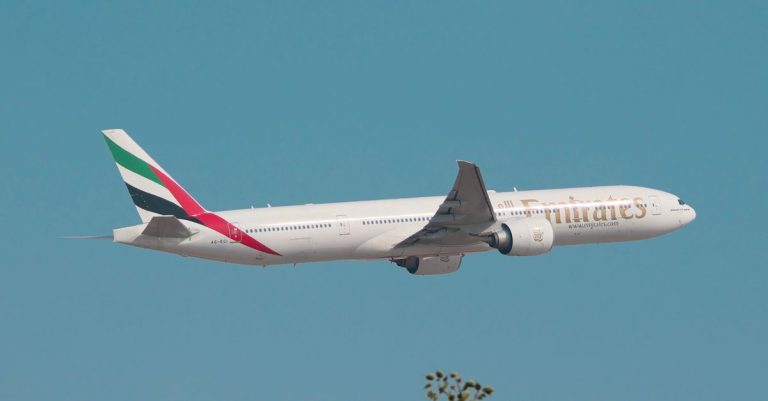
Emirates has become the first major Gulf carrier to accept cryptocurrency for flight tickets. On 28 July 2026 the Dubai-based airline switched on Crypto.com Pay across emirates.com and the Emirates App, letting eligible UAE residents pay for bookings straight from their Crypto.com wallets while the airline receives settlement in AED. The launch turns a memorandum of understanding signed in July 2025 into a live product, and it hands Dubai's Cashless Strategy, which targets 90% digital transactions across government and private sectors by the end of 2026, one of its most visible wins so far.
What exactly launched on 28 July 2026
Crypto.com Pay now appears as a standard payment option at checkout on both of Emirates' digital booking channels. The option is available to eligible UAE residents who hold a Crypto.com account, and every booking is priced and settled in AED: the customer pays from a crypto wallet, the conversion happens inside Crypto.com's licensed infrastructure, and Emirates receives payment in the local currency rather than in tokens. The airline takes no cryptocurrency onto its own books, which is precisely what makes the model workable for a company of this scale.
The payment flow depends on the device:
- In the Emirates App, the customer selects Crypto.com Pay at checkout, is directed to the Crypto.com app to approve the payment from their wallet, and then returns to the Emirates App for confirmation and the e-ticket.
- On desktop at emirates.com, the checkout page displays a QR code. The customer scans it with the Crypto.com app, approves the payment on the phone, and the confirmation appears on screen.
The regulatory groundwork behind the launch
The integration is powered by Crypto.com's Dubai entity, which holds a Stored Value Facilities (SVF) licence from the Central Bank of the UAE and was the first Virtual Asset Service Provider (VASP) to receive one. The SVF framework is the same regime that governs electronic wallets and prepaid balances in the country, so the crypto checkout operates inside the Central Bank's regulated perimeter rather than around it. That structure explains the design choices: AED pricing, AED settlement and a product scoped to eligible UAE residents.
This is the piece of the announcement that matters well beyond aviation. The UAE has spent several years building a licensing pathway in which virtual asset firms can plug into mainstream commerce, and the Emirates launch is the clearest proof yet that the pathway leads somewhere. A licensed crypto platform is now processing ticket purchases for one of the world's most recognised airlines, with the Central Bank's framework wrapped around the whole flow.
Why Emirates wants crypto payments
Adnan Kazim, Emirates' Deputy President and Chief Commercial Officer, said the move reflects the rapidly evolving preferences of a younger, digitally fluent generation who manage their money and plan their journeys primarily from their phones, and that bringing the initiative to life delivers on the airline's commitment to expanding customer choice in how they pay for travel. Eric Anziani, President and Chief Operating Officer of Crypto.com, called the collaboration a testament to the UAE's forward-thinking approach to innovation.
Emirates also joins a very short list of airlines worldwide that accept crypto payments, alongside airBaltic in Latvia, Vueling in Spain and Peach Aviation in Japan. For an airline that carried more passengers on international routes than any other carrier, the move is less about payment volume on day one and more about positioning: Dubai's flagship brand aligning itself with the emirate's digital asset agenda.
Part of Dubai's push to 90% digital payments
The launch lands squarely within the Dubai Cashless Strategy, a pillar of the D33 Economic Agenda, which aims to make 90% of financial transactions across government and the private sector digital by the end of 2026. Emirates is one of the most heavily used consumer brands in the country, and adding a regulated crypto rail to its checkout moves real spending into digital channels. For the government the strategy promises efficiency gains and new fintech activity; estimates attached to the programme project the cashless shift adding billions in annual economic value to Dubai.
What it means for businesses in the UAE
For founders and companies operating in the Emirates, the announcement carries several practical signals:
- Crypto-enabled checkout is now a mainstream option. If the flag carrier can accept it, a consumer business can too, provided the flow runs through a licensed provider with AED settlement.
- The compliant model is settlement in AED. Merchants do not need to hold digital assets, manage volatility or touch custody; the licensed intermediary absorbs all of that.
- The VASP licensing pathway works. Crypto.com's SVF licence shows the Central Bank will authorise virtual asset firms for real payment activity, which matters to anyone planning a fintech or digital asset venture in the UAE, a trend we covered in our review of Revolut's UAE launch after its Central Bank licences.
- Banking still anchors everything. Whatever payment rails a company adds at the front end, its licence, visas and settlement still depend on a properly opened corporate account, and opening a corporate bank account in the UAE remains a process where preparation decides the outcome.
The direction of travel is clear: the UAE is normalising digital assets inside a regulated AED economy, not outside it. Businesses that want to ride that trend need the conventional foundations first, the right licence, the right structure and a working bank account, before adding crypto rails on top.
How Atlant Capital can help
Atlant Capital helps founders and investors set up and run businesses in the UAE. We advise on jurisdiction and licensing, including activities connected to fintech and digital services, handle company setup in free zones and on the mainland, and guide clients through corporate bank account opening with documentation that compliance teams accept the first time. If you are weighing how to position a business in the UAE's fast-digitising payments landscape, contact us for a consultation.
Emirates' crypto launch is a small change at the checkout page and a large one in what it represents. A year after the July 2025 memorandum, the airline, a licensed crypto platform and the Central Bank's regulatory framework are running a live consumer product together, and Dubai's 90% cashless target for the end of 2026 looks less like ambition and more like a schedule.