2026-07-28
Abu Dhabi has delivered one of the strongest shareholder stories of this earnings season. On 28 July 2026 Fertiglobe, the ADX-listed nitrogen fertiliser producer majority-owned by XRG, proposed a dividend of at least $150 million for the first half of 2026, an increase of more than 20% on last year, after its second-quarter adjusted net profit multiplied 12.5 times to $145 million. The payout, equal to 6.73 fils per share, is expected to be approved by the board in September and paid in October 2026. With this distribution, the company will have returned at least $3 billion to shareholders since its IPO on the Abu Dhabi Securities Exchange in 2021. For anyone watching UAE capital markets, the message is clear: Abu Dhabi's listed champions are turning strong operations into real cash for investors.
What Fertiglobe announced
The headline of the 28 July announcement is the proposed H1 2026 dividend of no less than $150 million, or 6.73 fils per share. That is more than 20% above the comparable payout a year earlier and translates into an annualised dividend yield of roughly 5% at current prices. The proposal follows Fertiglobe's standard governance calendar: formal board approval is expected in September 2026, with payment to shareholders scheduled for October 2026.
The dividend sits on top of an active share buyback programme. Fertiglobe is targeting the repurchase of 2.5% of its shares, and by the end of June 2026 it had already bought back 1.34% at a cost of $74 million. Between dividends and buybacks, capital returned to shareholders since the 2021 listing now totals at least $3 billion, a remarkable figure for a company that has been public for less than five years.
The numbers behind the payout
The dividend increase is backed by a quarter of exceptional growth. Key results for the second quarter of 2026:
- Adjusted net profit of $145 million, a 12.5x increase year-on-year.
- Adjusted EBITDA of $371 million, up 111% on the same quarter of 2025.
- Revenue of $1.1 billion, up 92% year-on-year.
The first half of 2026 as a whole shows the same trajectory: revenue of $2 billion (up 59%), adjusted EBITDA of $713 million (up 63%) and adjusted net profit of $289 million, roughly three times the H1 2025 figure. The balance sheet strengthened at the same time, with net debt falling to $621 million at the end of June from about $1 billion at the end of 2025.
Why profits jumped 12.5 times
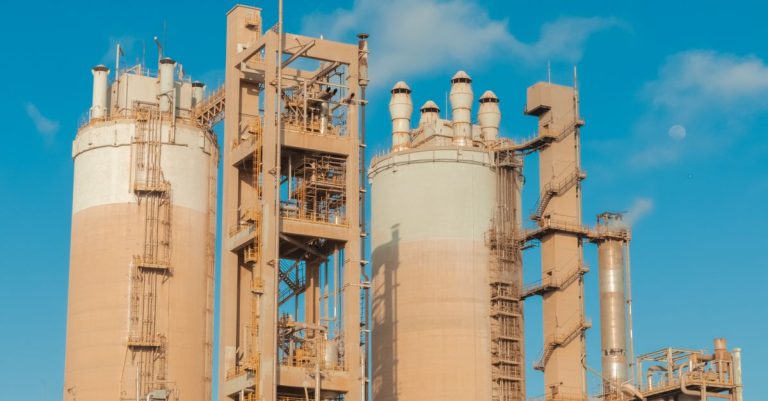
Two forces drove the surge. The first is pricing: urea traded at around $555 per tonne in July, roughly 30% higher than a year earlier, as global supply tightened and demand from key agricultural markets stayed firm. The second is operational discipline. Fertiglobe ran its urea plants at 92% utilisation across a combined capacity of 6.6 million tonnes, and 56% of its UAE production went to export markets in the second quarter.
Volumes actually dipped slightly, with own-produced sales down 3% year-on-year, partly because around 100,000 tonnes of urea shipments slipped into early July. That makes the profit multiplication even more striking: the growth came from selling at better prices and controlling costs, not from pushing more product into the market.
Who Fertiglobe is, and why it matters for Abu Dhabi
Fertiglobe is the largest seaborne exporter of urea and ammonia in the MENA region, with production facilities in the UAE, Egypt and Algeria. The company trades on the Abu Dhabi Securities Exchange under the ticker FERTIGLB and is majority-owned by XRG, the international energy investment company of the ADNOC group. CEO Ahmed El-Hoshy has consistently positioned the business around disciplined capital allocation, and the 2026 results give that strategy visible substance.
For Abu Dhabi, Fertiglobe is one of the flagship names that anchor the ADX growth story alongside banks and industrial champions. Strong bank earnings this season, covered in our review of First Abu Dhabi Bank's record H1 2026 results, combined with an industrial exporter multiplying profits, paint a picture of a market where dividends are not a promise but a habit.
What this means for investors and businesses
The Fertiglobe story carries three practical signals for anyone doing business in or with the UAE:
- ADX is maturing into a dividend market. A listed company returning $3 billion in under five years, with a roughly 5% annualised yield, makes Abu Dhabi equities a serious option for income-focused portfolios, including those of foreign investors who can access ADX through local brokerage accounts.
- The industrial and commodities cycle is running through the Gulf. Urea at $555 per tonne and near-full plant utilisation mean trading, logistics and services companies connected to fertiliser and petrochemical flows are operating in a strong market.
- State-linked champions share profits with minorities. The XRG-backed structure has not diluted minority returns; payouts have grown every year, which strengthens the governance case for investing through UAE public markets.
For entrepreneurs, the wider lesson is about the ecosystem. Companies that service exporters like Fertiglobe, from freight and inspection to industrial supplies and engineering, sit in a growing value chain, and the UAE remains the natural base from which to serve it.
How Atlant Capital can help
If the strength of the UAE market has you considering a presence here, Atlant Capital handles the practical side. We advise on company setup in the UAE, from choosing between mainland and free zone structures to licensing for trading, industrial services and investment activities. We also assist with opening corporate and personal bank accounts, the step where investors accessing ADX and businesses working with large UAE counterparties most often need experienced guidance. Our team works with clients from Russia, the CIS and beyond, managing the process end to end.
Conclusion
Fertiglobe's proposed $150 million half-year dividend, backed by a 12.5x jump in quarterly profit and $3 billion of cumulative returns since 2021, is more than a corporate results story. It shows the UAE's listed sector converting a strong commodity cycle into shareholder cash, with governance and consistency that global investors can rely on. Expect the October payout to reinforce Abu Dhabi's claim as the Gulf's dividend capital.